
Epicor Prophet 21 Modules & Capabilities
Epicor Prophet 21 is rated across 13 of 14 ERP modules, 4 of them a core strength and 53 documented capabilities catalogued across those modules.
- 13of 14
- Modules rated
- 4
- Core strengths
- 53
- Documented capabilities
- Cloud / On-Premise
- Deployment
Epicor Prophet 21 module ratings
Ordered strongest to weakest. Each rating reflects standard-edition depth, not what a third-party add-on could bolt on.
Supply Chain
strongEnd-to-end supply chain visibility including demand planning, supply planning, logistics, supplier management, and supply chain analytics.
Inventory Management
strongInventory tracking, stock management, reorder point planning, multi-location management, and inventory valuation across warehouses and locations.
›5 documented capabilities in 1 areas
Inventory Management
strong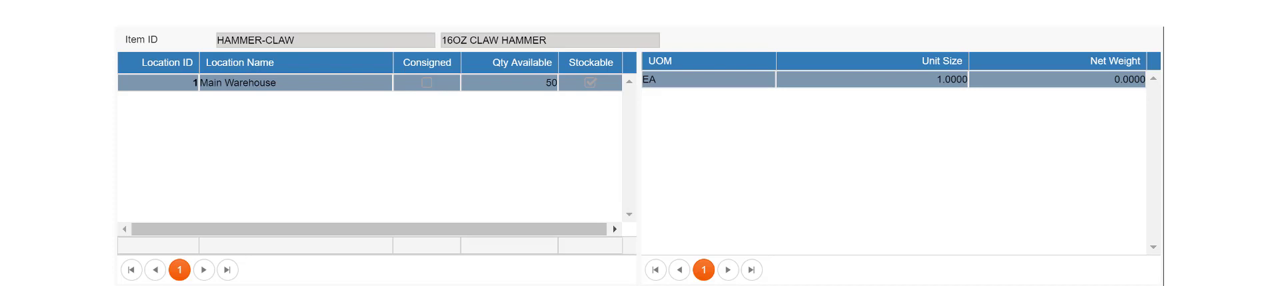
Other capabilities5
Regional Distribution Center Management
Procurement
strongPurchase order management, supplier management, requisition workflows, contract management, and spend analytics.
›7 documented capabilities in 1 areas
Procurement
strong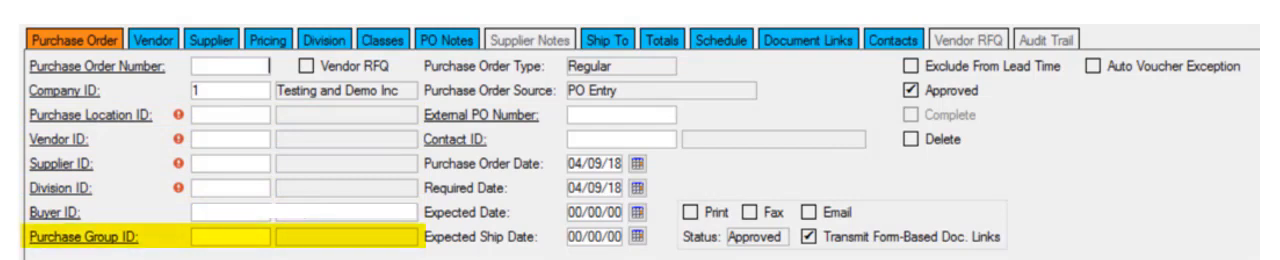
Other capabilities7
License Plating
Warehouse Management
strongWarehouse operations including receiving, putaway, picking, packing, shipping, and warehouse layout optimisation.
›9 documented capabilities in 2 areas
Warehouse Management
strongPicking3
Supports several picking strategies including single-order, batch, and zone picking, guided by handheld scanners.
Zone, Group, and Full-Order Picking Methods · Remaining-Lines Pick Indicator
Other capabilities6
License Plating · ABC Velocity-Based Count Frequency
Finance & Accounting
moderateCore financial management including general ledger, accounts payable/receivable, fixed assets, cash management, and financial reporting. The backbone of any ERP system.
›10 documented capabilities in 1 areas
Finance & Accounting
moderate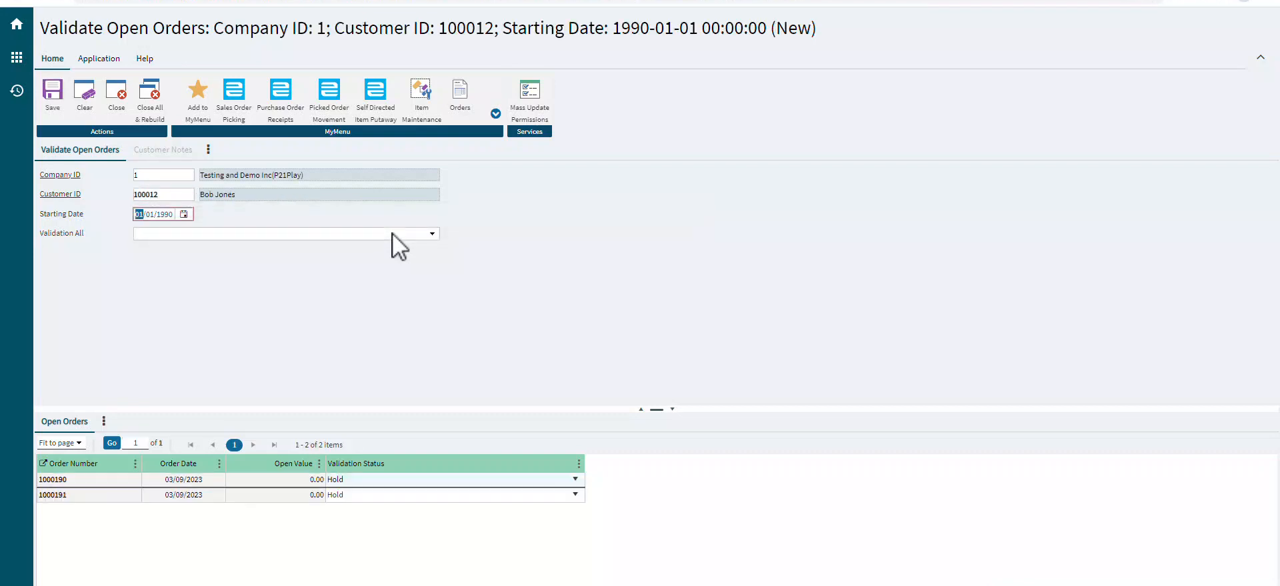
Other capabilities10
Period Close Processing · Automated Billing Reminders · Exemption Certificate Management
Sales
moderateThe sales side of an ERP: quotes and pricing, order processing, customer and account management, post-sale service, and sales reporting on shared master data.
›20 documented capabilities in 3 areas
Sales
moderate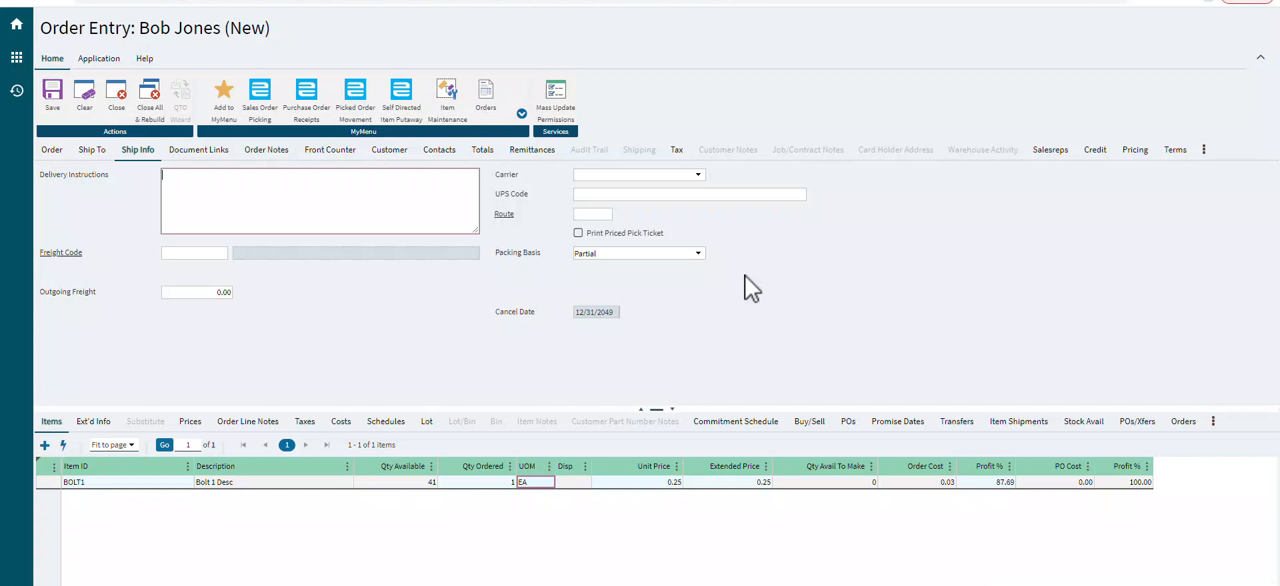
Order Capture and Entry3
Captures orders entered at the counter, remotely, or online into a single order record.
Shipping and Carrier Integration · Credit Card Processing
B2B Storefront3
Provides business-customer-specific pricing, repeat ordering, and account payment features online.
Fast Repurchase · Product Search and Comparison
Other capabilities14
Cross-Platform Mobile CRM App · Sales Forecasting and Performance Analytics
Ecommerce
moderateIntegrated ecommerce and online storefront capabilities including B2B and B2C portals, product catalogue management, and order management.
Business Intelligence
moderateReporting, dashboards, analytics, and data visualisation capabilities built into the ERP platform for operational and strategic decision-making.
›2 documented capabilities in 1 areas
Business Intelligence
moderateOther capabilities2
Manufacturing
basicProduction planning, shop floor control, BOM management, MRP, and manufacturing execution. Supports discrete, process, and mixed-mode manufacturing environments.
HR & Payroll
basicHuman resources management including employee records, payroll processing, benefits administration, time and attendance, and talent management.
Project Management
basicProject planning, resource allocation, time tracking, expense management, and project accounting for project-centric businesses.
Quality Management
basicQuality control, inspection management, non-conformance tracking, CAPA, and compliance with quality standards (ISO, FDA, AS9100).
Asset Management
basicEnterprise asset management including preventive maintenance, asset lifecycle tracking, work order management, and asset depreciation.
Epicor Prophet 21 does not offer or rate: Field Service.
Ready to move on Epicor Prophet 21?
Price it, put it head-to-head with alternatives, or talk to a partner who has implemented it.
Epicor Prophet 21 add-ons & integrations
Extend Epicor Prophet 21 with best-of-breed software that integrates with it:
Epicor Prophet 21 Modules FAQ
What is Prophet 21?
Prophet 21 is Epicor's ERP product for wholesale distributors, with deep strength in inventory optimization, pricing matrices, rebate management, and B2B ecommerce integration. It's purpose-built for distribution rather than manufacturing — the manufacturing module is basic, and there's no field service capability.
Is Prophet 21 an ERP system?
Yes. Prophet 21 is a full ERP system built specifically for wholesale distribution, covering finance, inventory, procurement, warehouse, and CRM. It's available in both cloud and on-premise deployment, with typical implementations running 3–7 months.
Which is better: Epicor Prophet 21 vs. NetSuite?
It depends on the business model. Prophet 21 is purpose-built for wholesale distribution with deeper inventory optimization, pricing matrix, and rebate management out of the box, while NetSuite is a broader general-purpose cloud ERP with wider financial and multi-entity depth but less distribution-specific tooling natively. Distributors evaluating both should weigh Prophet 21's distribution focus against NetSuite's broader platform reach and larger implementation ecosystem.
How do you implement Epicor Prophet 21 for distribution?
Prophet 21 implementations for distributors typically run 3–7 months and center on configuring the pricing matrix, rebate rules, warehouse and inventory setup, and B2B ecommerce integration alongside standard financial and procurement setup. As with most ERP rollouts, working with an experienced Epicor implementation partner materially affects timeline and risk.
How do you host Prophet 21 in a private cloud?
Prophet 21 supports both cloud and on-premise deployment, so a private-cloud hosting arrangement is typically delivered either directly through Epicor's cloud offering or via a certified hosting partner running the on-premise version in a managed data center. Confirm hosting specifics, including update cadence and infrastructure ownership, directly with Epicor or your implementation partner, since public documentation on private-cloud setup is limited.